Luxury vinyl plank (LVP)
Well suited to the larger, busy family homes common in Harvest — waterproof and scratch-resistant, floating over a flat subfloor across open floor plans.
Service Area
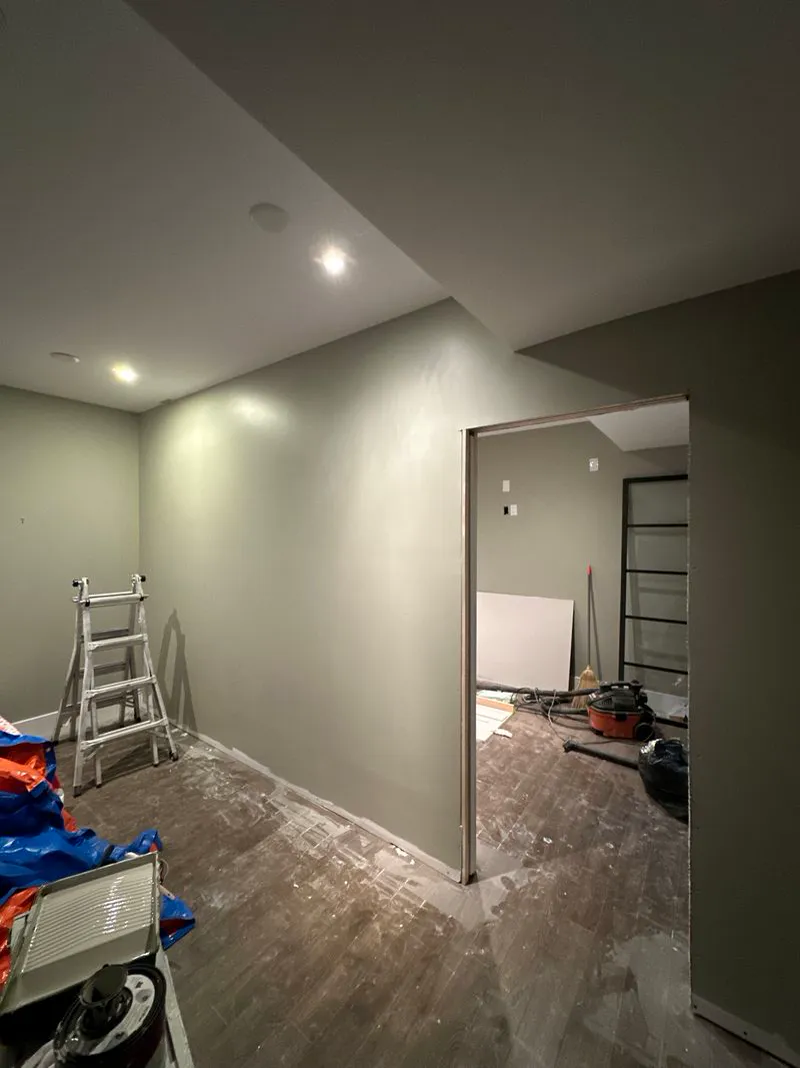
Harvest is an unincorporated community north of Huntsville known for its rural-suburban feel and larger lots, where many homeowners have more space to work with — and more square footage to floor. Projects here often involve spacious family homes, and the considerations that shape them are the same core factors covered across this site. This page is the local starting point for planning a flooring project in Harvest.
Every flooring project is quoted individually around the product, room, subfloor, and prep. This page walks through those decisions so you can request and compare a clear written estimate with confidence.
Harvest homeowners can choose from the full range of modern flooring. Luxury vinyl plank (LVP) is popular for its waterproof, scratch-resistant durability across large, busy households. Solid and engineered hardwood bring warmth and refinishability to living rooms and bedrooms. Ceramic and porcelain tile handle bathrooms, kitchens, and laundry rooms. Laminate delivers a wood look at a lower material cost for the larger living areas common here, and carpet adds comfort and quiet to bedrooms and family rooms. Sheet vinyl and VCT cover utility spaces and outbuildings. Across every product, subfloor prep, transitions, trim, and old-floor removal are itemized on your written estimate.
Because Harvest homes often have more square footage, planning benefits from breaking the project into rooms and phasing where it makes sense. A written estimate measures each space, assesses the subfloor, scopes tear-out and prep, and lists labor, materials, trim, and removal line by line for each room. That room-by-room breakdown is what lets you prioritize and compare any quote with confidence — and there is no obligation.
Harvest's housing is largely single-family homes on larger lots, a mix of established residences and newer construction spreading out from the Huntsville area. The larger footprints mean flooring projects can involve more material and more transition points between rooms and flooring types, but the factors that shape a Harvest estimate are the same core ones — product, layout, subfloor condition, tear-out, and trim — applied to the specific home.
With larger homes, subfloor prep can become a bigger share of the job, especially if the home has settled or if rooms are being opened up and re-floored together. Floating floors like LVP and laminate need a flat subfloor across wide spans to avoid bounce and separating seams, while glue-down and nail-down floors need a dry, flat, clean substrate. Tear-out of existing flooring, moisture checks on any concrete, and acclimation for solid hardwood are all scoped and listed on the written estimate.
How the main options stack up — practical trade-offs to help you choose.
Well suited to the larger, busy family homes common in Harvest — waterproof and scratch-resistant, floating over a flat subfloor across open floor plans.
A strong choice for the living and dining rooms of spacious homes; solid boards can be refinished for decades and add long-term value.
Durable and waterproof for bathrooms, kitchens, and mudrooms; cost follows pattern complexity and subfloor stiffening needs.
A budget-conscious wood look for the larger living areas here; a floating floor that resists scratches but is not fully waterproof.
Comfort and quiet for bedrooms and family rooms across a larger home; an upgraded pad extends wear and improves feel.
Break the project into rooms and phase it. A written estimate itemizes each room's product, prep, and trim separately, so you can start where the need is greatest — often a bathroom, kitchen, or high-traffic area — and complete the rest on a timeline that works for you.
It can. Wider open spans show off every wave in the subfloor, and floating floors like LVP and laminate bounce or separate over uneven areas. Larger homes may also have more transition points between rooms. The estimate scopes any flattening, underlayment, or repair and lists it on the quote.
LVP and tile are the most forgiving options for busy households — both resist scratches and water, and LVP is softer underfoot than tile. Carpet adds comfort in bedrooms but shows wear faster in high-traffic areas. The right mix depends on which rooms see the most activity.
It depends on the product and what is underneath. Flat, well-adhered hard surfaces can sometimes stay beneath a floating floor, while carpet, cushioned vinyl, and damaged floors need to come out. Tear-out is assessed during the estimate and listed as its own line.
Sheet vinyl, VCT, and certain LVP and tile products are used in utility and semi-conditioned spaces. The right product depends on whether the space is climate-controlled and how it is used. These spaces are scoped separately on the estimate.
Call (256) 415-7610 or use the estimate request form. The estimate covers measuring your space, checking the subfloor, reviewing product options, and giving you a written, itemized quote.
Call directly or send a quick request for a free, written, project-specific estimate.
Free, written, project-specific estimate. No obligation.