Kitchens and dining areas
Waterproof planks handle spills and dropped utensils well and clean up easily, which makes them a common pick for busy kitchens.
Flooring Service
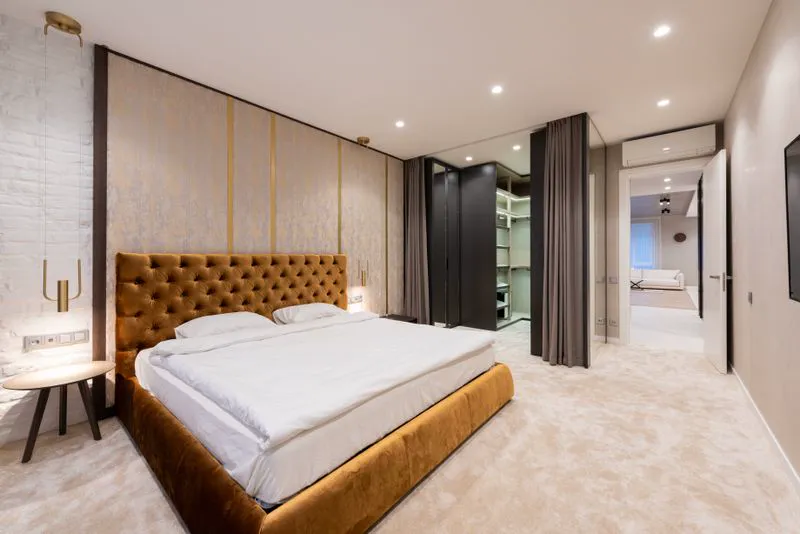
Luxury vinyl plank (LVP) is one of the most requested flooring options for Madison-area homes because it pairs a real-wood look with serious day-to-day durability. The planks click together over a flat subfloor, and most lines are fully waterproof — a big reason they show up in kitchens, entryways, bathrooms, and homes with kids and pets.
This page explains what goes into an LVP installation so you can plan the project and compare any written estimate with confidence. Every project is quoted individually around your room, product, and prep needs.
Budgeting your project? See typical vinyl plank flooring costs (2026) from the national cost guide at CalculateFlooring.com.
Local factors: what affects LVP installation cost in the Huntsville metro — the prep, stairs, and product details that move a quote, with no published prices.
The work involved in an LVP job depends on your space and the product you choose. A project-specific written estimate accounts for factors like these:
Your written estimate breaks out labor, prep, trim, and removal around the actual scope of your lvp project.
Waterproof planks handle spills and dropped utensils well and clean up easily, which makes them a common pick for busy kitchens.
LVP shrugs off tracked-in rain and mud better than many alternatives, so it tends to wear well right inside the door.
Because the planks are water-resistant, they suit rooms where plumbing leaks and humidity are a concern.
A consistent LVP run across main living areas can tie an open floor plan together and simplify transitions between rooms.
Floating LVP over a dry, prepped concrete slab is a frequent choice for finished basement living space.
LVP is only as flat as the floor under it. Hollow spots, dips, and ridges telegraph through a floating floor and can cause clicking or movement, so subfloor leveling is often the most important prep step on a concrete slab. Your estimate should call out any patching, skimcoat, or underlayment the floor needs before installation.
Moisture matters on concrete, especially in basements, on ground-level slabs, and in new construction that has not fully dried. A moisture test before a glue-down or floating install helps avoid planks that lift or gap later. Tear-out of existing flooring — including tack strip, old adhesive, or staples from previous carpet — is usually quoted as its own line so you can see exactly what the removal involves.
The space is measured, the subfloor is assessed, and the product, direction, and transitions are discussed.
You receive an itemized quote covering install, prep, trim, transitions, and any tear-out — no obligation.
Subfloor leveling, moisture checks, tear-out, acclimation, and the click-lock or glue-down installation itself.
Moulding and transitions are finished, debris is hauled away, and you walk the finished floor together.
Timeline to expect: most single rooms are a one-day install. Whole homes run several days, and tear-out or subfloor prep adds time. The day count belongs on your written estimate before work begins.
Warranty:ask for a written workmanship warranty, separate from the manufacturer’s material warranty. Get what each covers and for how long on paper before you sign.
Most modern LVP planks are waterproof in the sense that the vinyl itself will not swell or warp from standing water the way wood-based flooring can. That said, water can still get between planks or under the floor at the edges and seams, so waterproof is not the same as flood-proof. A tight installation, proper transitions, and a sound subfloor all matter.
Floating LVP can sometimes go over a flat, well-adhered existing floor like sheet vinyl or ceramic tile, provided the surface is smooth and level. Glue-down products and floors over damaged, cushioned, or loose material usually require tear-out first. The right call depends on what is currently down and its condition, which is assessed during the estimate.
Many LVP planks have an attached underlayment pad; others require a separate underlayment for sound and slight cushion. Over concrete, a moisture-rated underlayment may be recommended. The product you choose drives this, and any underlayment is listed on your written estimate.
Hollow or clicking spots usually trace back to a subfloor that was not flat enough before installation. Proper subfloor leveling and prep are the main defenses. Choosing a quality product with a solid wear layer also helps the floor feel and sound better underfoot.
Well-installed planks with tight seams and the right expansion gaps hold up well. Gapping can appear if the floor was installed over a wet slab, without proper acclimation, or without the expansion room the product needs at the edges. Following the manufacturer's installation guidelines is what protects the long-term look.
Yes, LVP can be installed on stairs, usually as a glue-down application with stair nose trim for a safe, finished edge. Stair work is labor-intensive and is typically quoted as a separate line item from the main floor area.
It gets settled in writing. Some installs include furniture moving, some quote it as a line item, and some ask you to clear the room first. The written estimate states the furniture policy before work begins.
Three options exist: remove and reset the baseboards, install the floor and cover the gap with quarter-round, or leave them when the floor tucks under. Each choice changes the trim line on your estimate, so it is spelled out in the quote.
Call (256) 415-7610 or use the estimate request form. A typical estimate covers measuring your space, checking the subfloor, reviewing product options, and giving you a written, itemized quote with no obligation.
Call directly or send a quick request for a free, written, project-specific estimate serving Madison and North Alabama.
Free, written, project-specific estimate. No obligation.